
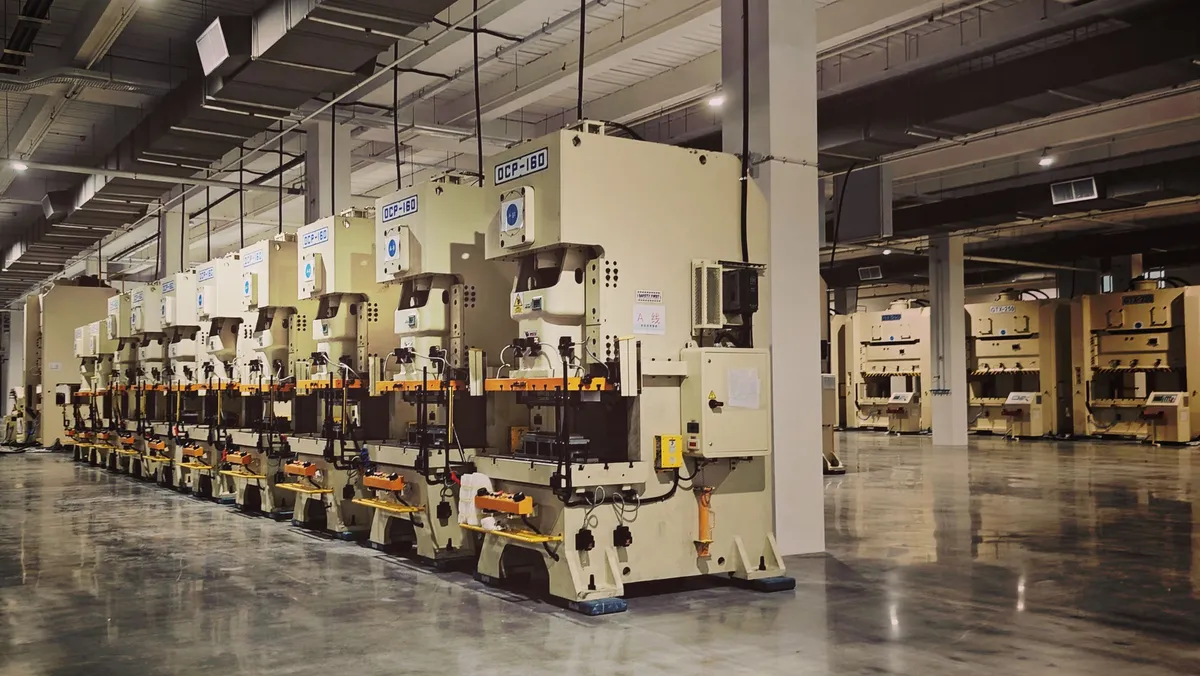
Increasing life sciences production capacity changes where value accumulates, what business depends on a facility and how long recovery can take. An existing line and a line under construction may operate next to each other for months. During commissioning, responsibility for valuable equipment can pass between the builder, supplier, landlord, contractor and owner. Insurance for manufacturing scale-up should follow those handoffs and account for business interruption alongside physical property. Start with a schedule that shows when each asset arrives, how it will be used and which event changes who must insure it. That schedule is more useful than a single total for the project budget.
Chart the construction, testing and occupancy handoffs
Record responsibilities during shipment, temporary storage, installation, commissioning, start of operations and final acceptance. The equipment supplier may use milestones that differ from the contractor's substantial completion or the landlord's acceptance. Have counsel compare insurance and indemnity obligations with those dates. Confirm whether new or altered space can be occupied while work continues and how doing so affects available construction or permanent property coverage. Ask which forms include testing, existing structures and temporary storage, and under what conditions. Equipment under installation may require terms different from machinery already in regular operation.
List the largest values that can coexist on a site at each stage. Include installed equipment, equipment awaiting installation, stock and improvements. Where work is around occupied space, consider how repairs in a new suite could interfere with adjacent production. Determine whether contract schedules, builder's risk provisions or property forms address resulting delays, and whether delay in start-up is even included. Delays caused by an ordinary installation problem and delays caused by insured physical damage can receive different treatment. Identify the project's largest retained time and cost risks early enough to arrange a contingency.
Identify the dependencies behind the production floor
Value a manufacturing site with a focus on critical support systems as well as visible production equipment. An environmental control failure can make a room unavailable even if its principal line appears intact. Ask facilities staff about dependence on building utilities, backup arrangements, outside maintenance and rented equipment. Identify anything that can remove more than one room or line from use. Look for a common utility dependency shared by a primary and alternate location. If operations depend on a single outside testing or logistics provider, record the scope of work and alternatives that could be made available.
Quality requirements may continue to matter when a facility is restored. For finished drug products in its scope, 21 CFR Part 211 sets minimum current good manufacturing practice requirements for preparation. Your quality and regulatory teams should determine which obligations apply to the actual product, facility and proposed change. Their estimate of release and restart timing can inform the insurance discussion. An insurer's definition of restoration may vary from the dates on the production plan. Reviewed November 23, 2026. 21 CFR 211.1, current good manufacturing practice scope
Build separate estimates for property and time
Update building, improvements and equipment values for delivery, access, installation and other costs included under the applicable valuation approach. Review the basis for raw material, work-in-process and finished stock values. Ask how policy limits apply at scheduled and temporary locations, whether peak values create concentration and what happens if stock waits for release after repairs are complete. Identify the maximum probable inventory at each step rather than relying on financial averages. Property definitions may distinguish stock owned by the business from goods it holds for others.
Estimate the time and cash needed to restore meaningful production. Compare expected repair, reinstallation, approvals, vendor availability and recommissioning with any waiting period and maximum indemnity period. Ask how time-element losses are measured and what the policy requires to trigger them. Consider whether extra expense or dependent properties provisions address eligible costs and losses, including when an insured site remains physically intact but the company cannot receive work from an outside provider. Account for already committed volume and projected operating expense. Financial assumptions should be traceable to the actual business and project plan.
Walk through a utilities loss during ramp-up
Picture a new production line entering regular operation when an electrical failure affects two suites. Repairing equipment takes weeks. A supplier has a longer lead time for replacement controls. Some material is held for evaluation and a customer requests that its stock be moved pending the restart. Estimate the costs separately. Equipment repairs, stock loss, alternate space, outside service expenses and delayed production may all require different evidence or triggers. Identify which entity incurred each cost and whether contractual reimbursement expectations match policy terms.
Review equipment breakdown provisions for event definitions and whether associated spoilage or interruption is addressed. For loss of utility service, compare location, distance and types of outage contemplated by the wording. For contamination or material damage, verify any covered trigger, causation requirements and sublimits. If customer-owned stock is affected, check whose property interest is recognized and how valuation works. Before an incident, assign authority to notify insurers, approve emergency work and maintain a cost record. For decisions affecting customers, involve authorized quality and legal personnel.
Price concentration before committing to higher volumes
Compare a larger single line with genuine redundancy across separate locations. A second room served by the same utility may share a failure point. An outside manufacturer may provide capacity only after a delay, subject to quality and commercial approval. Discuss expected recovery for both ordinary breakdown and a major insured event. Identify which costs can be reduced through contingency arrangements and which remain on the balance sheet. Where a customer expects priority or delivery commitments, counsel should compare liquidated damages, indemnity and cap exceptions with the known recovery assumptions.
Ask about scheduled supplier locations, blanket limits, deductibles, stock valuation and the treatment of special causes of loss. Compare renewal alternatives against the same plausible recovery scenario so decision-makers can see what changes between terms. The lowest retention in a quotation may apply to a different event than the one driving the decision.
Prepare the operations team for a review
Bring the expansion schedule, nonconfidential facility and utility descriptions, largest asset and inventory concentrations, alternative production options, lease responsibilities and target dates for commissioning and first release. Put the contractor's evidence requirements next to those of lenders and customers. If construction is underway, identify the policy status for each handoff. Request a manufacturing scale-up review with Montridge when the business is adding a suite, expanding storage or relying on a new supplier. The purpose is to see where insurance could support a feasible recovery plan and where capital or contract decisions must carry the remaining risk.