
Use this resource center when you need to brief a leadership team, collect information for an insurance review, or find the right official reference. The most useful starting point depends on the decision in front of you. A founder negotiating a first laboratory lease needs a different set of facts from a CFO comparing policy renewal terms or an operations lead bringing in a contract supplier.
Start with a question your team can answer
Before opening a checklist, name the decision and the deadline. A board might need to know whether a growing laboratory has enough cash to replace a financed analyzer and continue working if it breaks. An operations lead may need to confirm whether a new outsourced provider will affect an existing insurance submission. A contracts team may need to know which insurance commitments it can make before signing. Choose the tool that helps you collect evidence for that one decision.
Use the glossary to translate terms that are creating confusion in the meeting. For example, “limit” and “sublimit” may both appear in a package even though they apply to different parts of a loss. “Replacement cost” may also appear in a contract that uses its own valuation method. After looking up the term, go back to the original agreement or policy and mark the actual provision. A shared vocabulary helps the team ask precise questions of the carrier or counsel.
Organize evidence for a renewal discussion
Use the checklists to assemble an operations narrative, a facility and asset schedule, policy details, and the contracts that affect the largest losses. Start with information already available. Operations can provide an outline of activities and dependencies. Finance can provide estimated values and restoration costs. Legal and compliance staff can summarize material agreements and open regulatory questions. Assign a person to close each missing item. Keep the list short enough that it gets used.
Tell your broker what has changed since the last renewal. Include changes expected during the next policy term and distinguish firm commitments from proposals. A spreadsheet showing current and proposed sites, expected effective dates, the named contracting entity and who controls equipment can reveal inconsistencies. Management can then decide what questions need written carrier clarification before work starts. Use secure methods for exchanging sensitive information and exclude individual patient and research participant data from the first conversation.
A useful opening set of questions fits on one page. What event would put the most operating cash at risk? Which loss depends on a customer, contract manufacturer or outside lab? Which obligation lasts beyond the policy term? Which policy issue has an answer from an insurer, and which is still an assumption? The answers can guide where to spend time comparing quotes and reading forms.
Work through a capital planning example
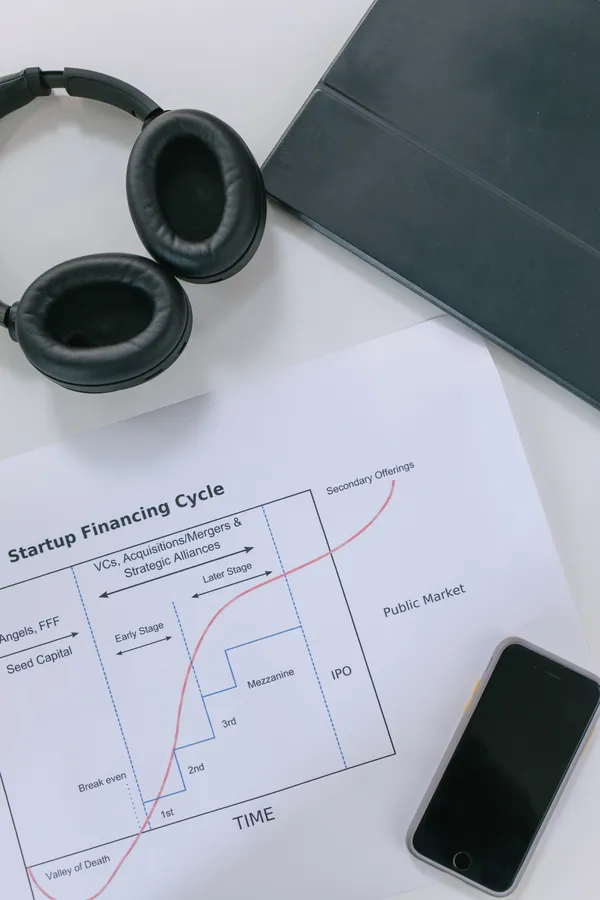
Consider a diagnostic equipment company looking to expand a support laboratory. It expects to finance an analyzer and add improvements to leased space. Equipment delivery, customer acceptance and a service contract are already on the calendar. Leadership must compare the up-front cash impact, collateral obligations and business effect of a late delivery. Begin with the financing and research funding resource, then ask the team to map who owns and insures each asset during shipping, installation and use.
Estimate the maximum amount the business would need to spend before a lender or insurer makes a decision. Include obligations under the lease and purchase agreement, expected substitute costs, and revenue the business may have to defer. Ask the operations lead when a viable alternate instrument would actually be available. Ask finance to build that timetable into the liquidity plan. Bring lease and finance documents to qualified advisers for review before assuming that separate obligations have the same triggers.
Public funding listings can help eligible businesses locate and review current notices. Grants.gov publishes federal listings and searchable opportunity information. The SBA describes its loan programs and where to learn about available options and lender application processes. Program rules, eligible uses and timing vary. Check the current notice or program details before budgeting for proceeds. Sources reviewed November 23, 2026. Search federal grant opportunities and SBA loan programs
Use primary references for the question they can answer
The reference library points to agencies for legal and regulatory scope. Pick the source whose authority fits the topic. For example, CMS publishes getting-started information on CLIA for laboratories performing testing on human specimens, while FDA publishes separate information relevant to devices, drug production and clinical investigations. Identify what entity, location and activity the source is addressing. Save the link and date alongside the question for your regulatory, legal or technical professional. Source reviewed November 23, 2026. CMS Getting Started with CLIA
Record unresolved questions as decisions pending. An insurer may need a high-level operational description even while the compliance team is clarifying an issue. An agency bulletin may help the company assign responsibility without addressing whether an insurance policy pays. Make it clear to decision-makers which answer comes from an official source, counsel, internal judgment or a carrier. A single timeline can show where these decisions depend on each other.
Turn a guide into a short meeting agenda
Pick three items before the meeting. First, write down what must be decided and by when. Second, select a representative transaction or a plausible event that makes the question concrete. Third, identify the missing document, value or contract term that would change the decision. Bring the people who own the work and the people who can interpret the terms. At the end, write down who will request confirmation, who will follow up and which dates would trigger another review.
The process also works when an agreement has already been signed. Compare obligations that are due soon with the present insurance and set aside long-term improvements for renewal. If the business is considering expansion, keep a small working file for items not yet determined. Update that file when the operating model, ownership, dependency or contract duties change.
Bring a decision to Montridge
Request a review when the next step affects a lease, supply contract, trial, commercial launch or policy renewal. A concise description of the decision, your target date, current insurance and one representative agreement gives the conversation a useful starting point. Montridge can help identify how the insurance terms fit the business exposure and which questions require written confirmation. Use the resources below to prepare a brief summary before the discussion, and save the supporting records for a secure exchange if needed.