
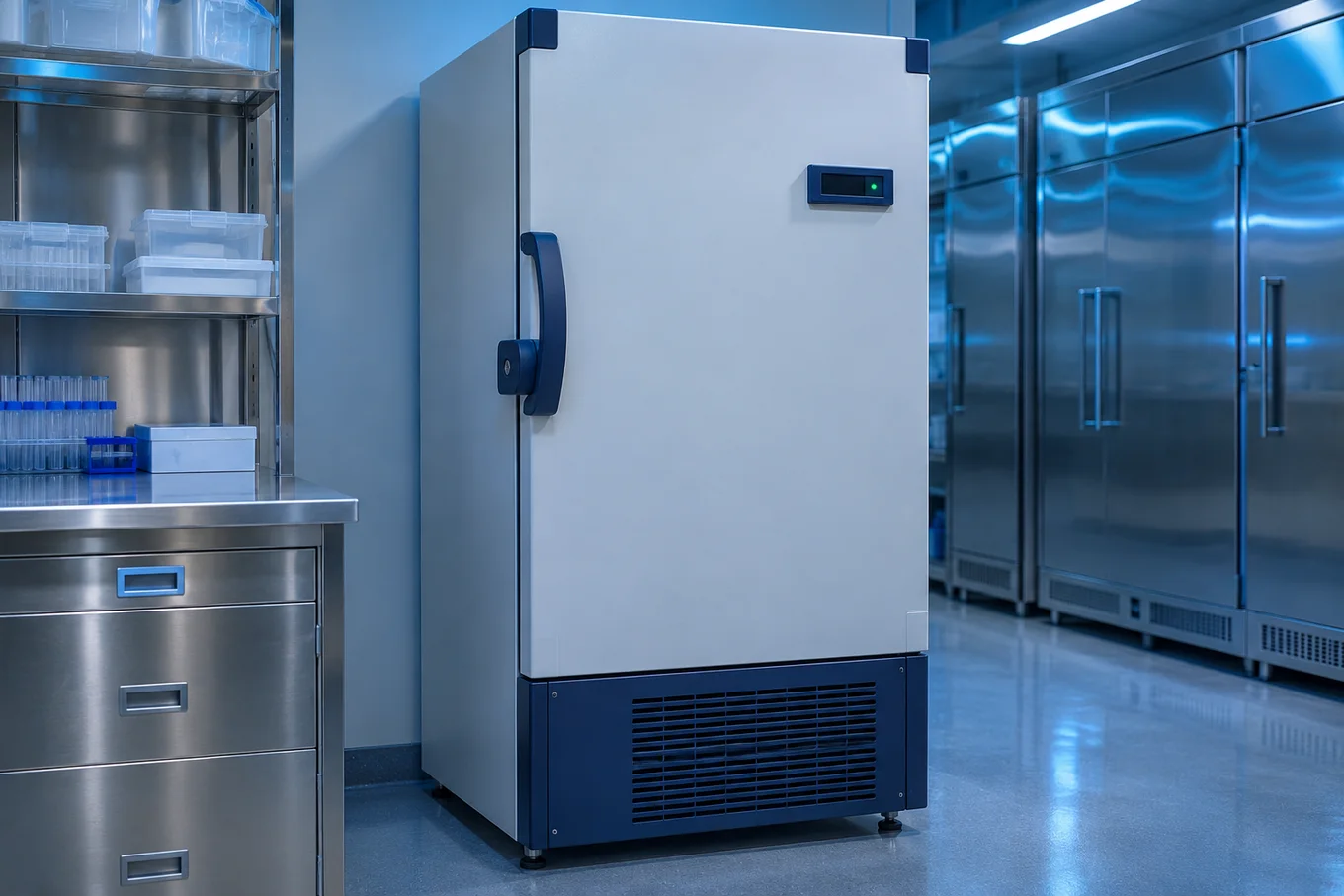
A temperature excursion or contamination event can leave life sciences stock unavailable for sale, shipment or contracted work even while the container and facility appear intact. The insurance question depends on the trigger, the affected property and the costs the business is left to bear. Start with the custody and valuation of the material and the financial consequences of quarantine or loss. Use policy wording to determine how different stages of the event might be evaluated.
Separate the cause, custody and consequence
A refrigeration breakdown, service interruption and contamination at a vendor are separate scenarios. In each case, ask who controlled the relevant system, where the material was located and who owned it when the incident occurred. Next, identify how the company learns about the issue and who has authority for determining whether goods can be used. Product disposition and safety decisions belong to the company's qualified quality and regulatory professionals.
A CDC storage and handling toolkit describes the importance of temperature monitoring information in the vaccine context. This source was reviewed November 23, 2026. Different materials and products can have different stability and disposition criteria. An insurance review uses the organization's established product-specific records and decisions to assess the cause, custody, affected property and resulting costs. It should avoid substituting general guidelines for those requirements.
Determine which insurance provisions are relevant to each segment. Property attachments, equipment breakdown, stock throughput, cargo and specialized contamination or spoilage wording can define events and covered property differently. A scheduled location provision might apply while goods are at a primary facility, with separate questions about transport, temporary storage or a contract manufacturer. Bring the actual custody and ownership timeline to the discussion.
A weekend storage issue illustrates the valuation problem
Imagine a third-party warehouse reports that an affected compartment rose outside agreed criteria. Some materials are owned by the insured, some have already been sold but are still in storage, and some belong to a partner. Product specialists place several lots under review. The facility can resume storing goods quickly, but the affected inventory cannot ship until the disposition question is resolved.
The broker needs facts that distinguish quarantined property from material that is ultimately unusable or destroyed. When did the affected condition begin, how long did it last and where were the lots held? Who owned each lot, and what provision assigns responsibility for a storage failure? Which records support the quantities and values? What allowable expenses could arise before the company reaches a disposition decision? Record the answers without assuming that a pause or quality investigation automatically satisfies a policy's loss requirements.
Then model the financial outcomes separately. Include expected stock value, assessment and disposition expenses, transportation, contract remedies, missed delivery costs and interruption or mitigation expenses. If new materials can replace the affected lots, estimate the purchase and shipment time as well as the cost. If the material is customer-owned, the customer could value it on a different basis and assert a contractual or liability demand against the custodian. Review that relationship with counsel.
Read the applicable trigger and exclusions
An excursion or spoilage provision may apply to particular causes, locations or property types. Check how it treats a change in temperature, duration of an interruption, accidental contamination, utility service failure and failure of a covered system. Ask whether transit is included, paused or handled separately during storage. Document any conditions involving monitoring, evidence, documentation, protection equipment or prompt notice.
A suspected issue can be commercially significant before a company identifies the exact scope. Ask how the policy addresses expenses incurred while affected goods are being evaluated and how recovery may differ once a decision is made. Review clauses on loss mitigation, expenses requiring approval and the policy's loss documentation conditions. Identify who can reach the insurance team and who must be informed through a contract or regulatory process. Give each process its own owner.
Ask what happens when a claim involves both property and liability. A manufacturer may face a demand after delivery or incur costs to recall previously distributed product. A warehouse may be asked to pay a customer's inventory loss. A property policy review alone does not resolve how those exposures would be handled. Compare your property and equipment breakdown and product recall insurance provisions if their triggers might overlap.
Track how value changes from raw materials to distribution
Make a worksheet showing value at each relevant stage. Purchased supplies, work in process, specialized finished inventory and customer property may have different policy treatment. Some inventory includes substantial already-incurred time or cost and may have limited replacement options before a delivery deadline. Calculate the peak value at one location, in one conveyance and in the hands of a third party rather than using an average across locations.
Read the valuation condition and ask how replacement, cost, declared value or agreed value would apply to the items of greatest concern. Confirm whether costs such as expedited shipping, disposal and temporary storage are included, individually limited or outside the provision. Look at the schedule for the busiest period of the year. Ask whether a special limit, deductible or aggregation rule changes the anticipated recovery if one event affects several lots.
Match the worksheet to the contracts. An agreement may allocate risk before title transfers, set a limit on the vendor's responsibility or require documentation for a claim. Delivery terms, handling arrangements and possible recovery from a vendor deserve separate review. Bring the contracts to the insurance discussion whenever the material crosses a facility or organization boundary.
Assemble the information decision-makers need
Prepare a summary covering material categories, typical and peak values, custody, insuring agreements and the kinds of records that would establish the cause and extent of the loss. Bring transport and storage agreements and the current property or transit wording with endorsements. Focus on what changes the decision: a new storage address, a larger shipment, different vendor responsibility or inventory on hand that approaches a limit. Use an agreed secure process if detailed records are needed later.
Request a contamination, spoilage and temperature excursion review if an interruption could jeopardize a material inventory balance or delay a customer commitment. Start with the hardest inventory to replace and the locations or vendors that handle it. Actual insurance response depends on the policy, the material, the cause and the facts of the loss.