
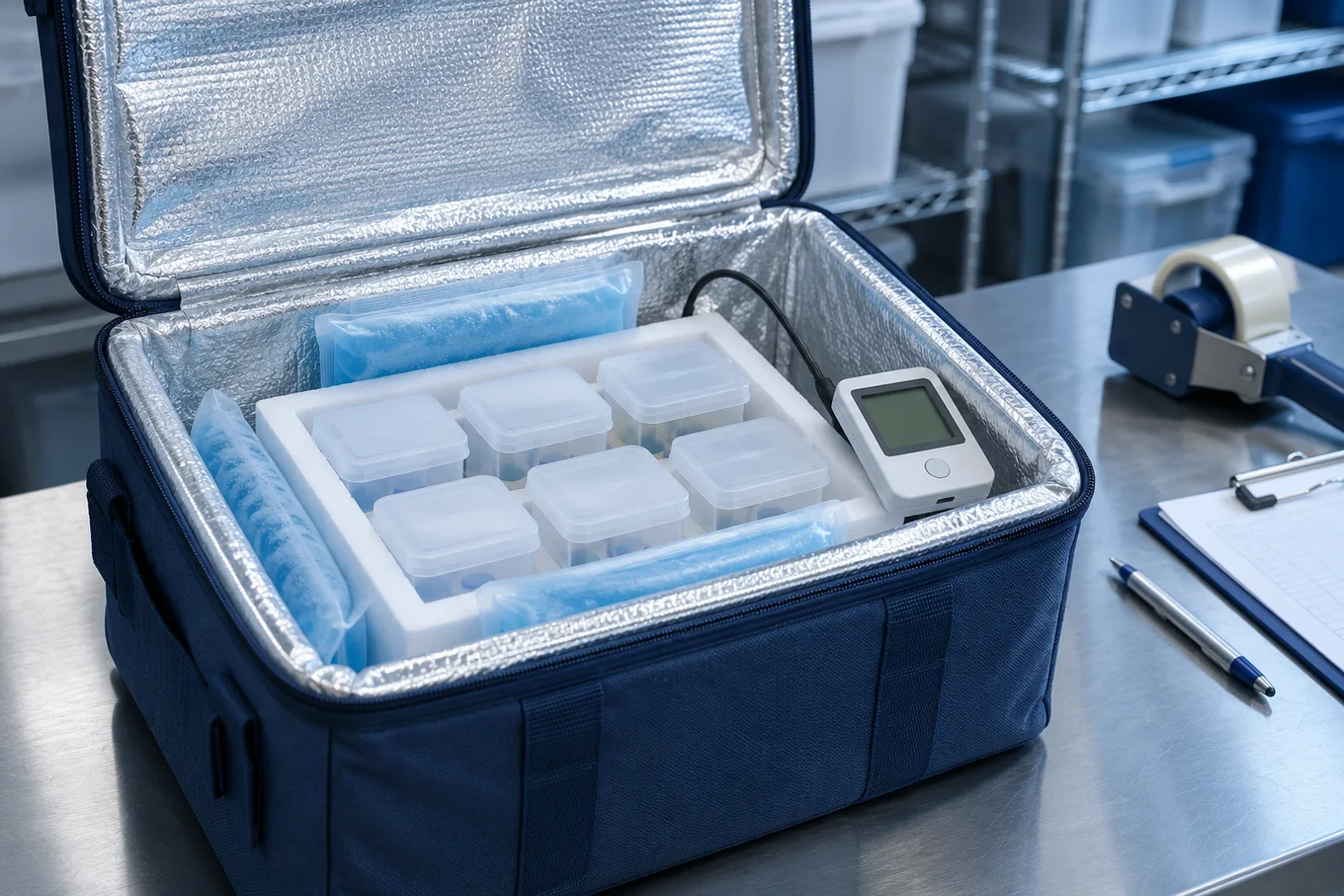
Cold-chain insurance analysis starts with one route, one inventory value and one plausible temperature excursion. Identify who owns the goods and has custody at every transfer, when the goods are considered in transit, who can decide whether a shipment should be held, and how the loss would be valued. Facility, cargo and specialty spoilage wording can give different answers for the same goods as they move through the chain.
Map ownership, custody and control by handoff
Use a shipping lane that represents a meaningful concentration of inventory. Track each named location from the production site to temporary storage, freight pickup, cross-dock, airport or port and final delivery. Record when buyers take ownership or assume transit risk under the contract. Also record who monitors each leg, who receives exceptions, and who can authorize a product hold. The party responsible for monitoring may have little financial stake in the inventory. The owner may have to rely on a shipping partner for evidence after an event.
For drug products within the scope of U.S. finished pharmaceutical CGMP warehousing requirements, 21 CFR 211.142 addresses written warehousing procedures and conditions for temperature, humidity and light suitable to preserve product quality. The organization should obtain product-specific and jurisdiction-specific requirements from its quality and regulatory teams. Insurance review can use a business summary of the requirements and custody arrangements. Primary text reviewed November 23, 2026. 21 CFR 211.142
Compare the possible triggers and evidence
A recorded deviation can prompt a costly hold before quality reviewers can make a disposition decision. Ask how the relevant policy treats a qualifying temperature change, physical damage, delay, a packaging issue, or equipment breakdown. An acceptable log and release determination may matter to the quality process, while a policy may require proof of a specified cause, duration or other condition. Verify the documentation expected and any limitations tied to unattended storage, location, equipment or outside service providers.
At a fixed site, check whether the property policy and equipment breakdown policy address insured stock, damage to refrigeration equipment and resulting spoilage. Examine treatment of utility outage, site leases and responsibility for equipment owned by a landlord. On the move, compare cargo or stock throughput provisions for territory, temporary storage, conveyance, and temperature. Ask if an insurer expects a schedule of locations or declarations for selected shipments. If you rely on a warehouse operator's or carrier's liability, verify the applicable terms, exceptions, valuation and caps.
Walk through an overnight hold
Imagine that a refrigerated shipment reaches a consolidation warehouse after a vehicle delay. The warehouse reports an overnight hold and incomplete monitoring data. The buyer refuses delivery until its quality team can review the shipment's history. The carrier disputes responsibility because it says delivery to the warehouse ended its custody. The seller remains responsible for providing a replacement under the sale agreement and faces expedited shipping and customer scheduling costs.
Start with documents showing who accepted the shipment and when. Preserve time records, storage records, shipping papers, custody acknowledgments, independent monitoring records and disposition decisions under your organization’s process. Establish what is known and what remains disputed. Identify the likely separate heads of loss, including inventory value, additional freight, outside storage and loss of business income. Check whether the policy requires advance consent for disposal, expenses or settlement when time allows. Review the contracts and insurance reporting timelines promptly.
Then compare three potential limits. The seller's insurance could measure covered goods at a defined cost or agreed value. The warehouse contract could limit recovery to a separate amount. The buyer's contract might require full replacement plus other fees. Each figure answers a different question. Finance can estimate retained cost by tracing the reasonable expenses and possible sources of recovery separately, without relying on immediate payment from a third party.
Value the busiest day rather than the average move
Estimate peak values by facility, storage provider and conveyance. Look at seasonal production, combined shipments, equipment downtime and terminal delays that could put several shipments in the same location. Ask how related shipments are grouped and whether a per-location, per-conveyance or event limit would apply. Pay attention to progress from components through work in process to finished inventory. Policy valuation can differ at each stage, even if a finance system uses a consistent internal value.
Document replenishment and substitute capacity. Consider how much usable stock is elsewhere, the availability of alternate approved carriers, and the time required to replace lost inventory. Separate the lead time imposed by contracts and quality requirements from the time to physically make or purchase replacement goods. If business income or extra expense coverage is available, ask about the qualifying cause, covered location, waiting period and recovery duration.
Check who can provide evidence on a weekend
An operating plan should identify which party acknowledges a temperature exception, where the shipment and records will remain, and who makes a documented disposition decision. Review how the company reaches the contracted warehouse or carrier outside normal business hours and who has authority for temporary storage, urgent rerouting and associated expense. The insurance and contract questions are easier to resolve when those responsibilities are clear from the start.
As part of renewal, review changes in routes, inventory values, carrier contracts and storage capacity. Ask what happens when a shipment uses an unplanned location, a new customs agent or an outside subcontractor. Compare backup arrangements with the real volume they could accept and include the time required to get the product back into normal distribution. Include finance staff in estimating concentrated loss and in deciding what retention the business can absorb while it continues fulfilling orders.
Bring one shipment to the insurance review
For a practical discussion with Montridge, bring a route summary, a shipment value and ownership schedule, representative storage and transportation terms, current policy language and a deidentified timeline for a plausible hold. Include the projected effect on customers or production. A review can identify which terms need to be clarified, assess concentration and help the business decide whether to retain or seek to transfer particular costs. Use secure channels for confidential documents, and verify product disposition through the responsible quality team.