
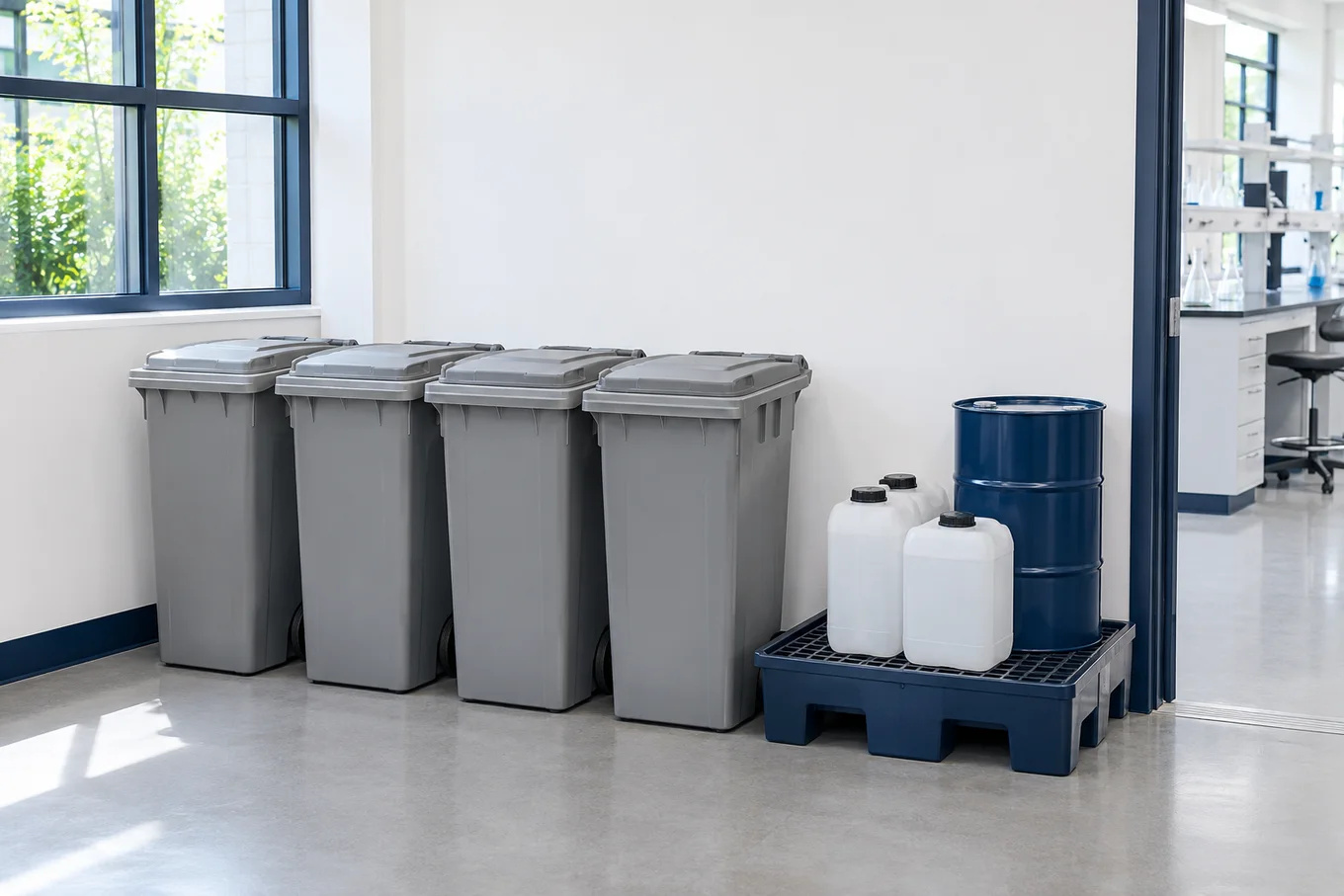
Pollution risk can follow a life sciences business through its leased laboratory, production operations, renovation projects, waste contracts, and transportation arrangements. A release might damage the occupant’s space, trigger an investigation, affect a neighboring tenant, or lead to claimed cleanup costs at an off-site location. Identify the potential source, document whose responsibility the lease or vendor agreement assigns, and check how the actual policies treat the condition and response costs. A single risk may have property, liability, environmental, and employee dimensions.
Define the business operation and ownership boundary
Begin with a location schedule that describes each site’s activity and tenure. Is the business conducting primarily office work, using a wet laboratory in a shared facility, occupying a dedicated manufacturing site, or relying on a contractor for most physical operations? Identify who owns the building and installed equipment, which areas are shared, and what the landlord or property manager controls. Lease exhibits may identify building systems, repair obligations, or areas with rights of access that do not appear in a one-page proposal.
Before a move-in, renovation, or expansion, ask who has responsibility for assessing historical conditions. A business may inherit a contractual obligation to investigate or restore space even if it has not yet started its own operations. Separate historical, new, and unknown conditions in your review. Environmental professionals and counsel can evaluate site findings and obligations. The insurance review can address whether known conditions, historical events, or changes in use are addressed, excluded, restricted, or subject to specific disclosure or scheduling requirements.
Clarify which expenses you would expect a policy to address
The label “pollution insurance” describes a category of risk, while policies vary considerably. Review whether the form addresses first-party or third-party cleanup, third-party bodily injury and property damage, defense, investigation, emergency response, transportation, or non-owned disposal sites. Confirm the definition of a pollution condition and any limitations relevant to your activities. A property policy may apply different terms to material or equipment damaged by a release. The exact exclusions, conditions, and any limited environmental or contamination endorsements matter.
Review the policy structure. If coverage is claims-made, discuss the retroactive date, reporting requirements, and what happens at renewal or when a facility closes. Consult the policy’s conditions before assuming contracts allow you to respond immediately or choose any vendor and recover the cost. Ask how emergency expenses and consent requirements interact, what records are needed to substantiate expenses, and whether the insurer has a reporting line. Discuss how deductible or self-insured retention amounts apply when one event affects multiple spaces or gives rise to more than one demand.
Follow waste and materials beyond your facility
The EPA’s hazardous waste generator guidance explains that federal generator categories distinguish businesses based on the quantity of hazardous waste generated and provides category-specific requirements. State requirements may differ. Confirm classification, applicable obligations, and recordkeeping with appropriate environmental advisers. An insurance site review starts with a high-level description of waste streams, routes, pickup frequency, and service providers. Keep restricted technical details out of a preliminary inquiry.
Evaluate work by outside parties. Identify which entity takes possession, who arranges transportation, where materials are supposed to go, and which documents demonstrate acceptance and proper disposition. Ask which vendors can subcontract, what happens if a facility rejects a shipment, and who handles an incident during pickup, in transit, or at final disposal. Review insurance certificates together with endorsements and the underlying responsibilities. A vendor indemnity can be valuable. Collecting on it can depend on the agreement, insurance, and financial capacity of the counterparty.
Review an illustrative shared-building event
A research tenant discovers a release in its leased suite that may have affected a neighboring tenant’s equipment and interrupted a shared building system. The tenant’s ordinary liability coverage, site pollution coverage, landlord agreements, and property coverage each warrant review. One party may need to arrange prompt response. Separate parties may make demands for cleanup, damaged property, or interruption. An employee concern belongs in its own reporting and claims discussion. The example describes an exposure review, and the facts, policy wording, and governing rules would determine the response.
Build a contact map before an incident. Identify the facility lead, landlord contact, vendor representatives, safety lead, counsel, and insurance reporting contact. Have the safety and facility teams own an appropriate written emergency plan. Keep a claim file for material dates and decisions. Your insurance review should distinguish the financial responsibility for the event from safety, legal, and technical response decisions that need qualified specialists.
Identify the provisions you want to read closely
Ask for the current declarations and all endorsements. Look for site schedules, change-of-use requirements, dependent or leased locations, any blanket language and its limits, and exclusions tied to contamination or particular activities. Ask if a new site automatically receives any temporary protection and what conditions must be satisfied. Confirm if cleanup costs for gradual and sudden conditions are addressed differently and whether legal liability, regulatory action, or discovery is required for payment. Compare any separate transportation or off-site disposal coverage with the actual vendor network and routes.
A company improving an existing facility should discuss risk before work begins. Identify which contractors may be working near existing conditions or handling materials. Ask who is expected to carry contractors pollution liability, what its completed operations or reporting conditions look like, and how lease obligations apply to restoration. Contractors can issue proof of insurance quickly. The substantive work is matching the policy, parties, operations, location, and contract before the event takes place.
Prepare for a facility or program review
Bring a current site list, summary of operations and planned changes, lease responsibility schedule, relevant waste and transport vendor contracts, and current policy forms. Identify any prior environmental assessments or reported incidents for discussion through a verified channel. Note the opening date for a new space and the renewal date for the current program. Ask your environmental and legal advisers to assess compliance and specialized obligations. Official EPA material was reviewed November 23, 2026.
When a lease, expansion, or vendor change alters responsibility, request a Montridge risk review with the activity, location, and decision date. A useful first step is to select one scenario and trace it across the site, through the responsible contracts, and into the policies that may respond. That gives you a concrete list of unresolved questions to take back to your team.