
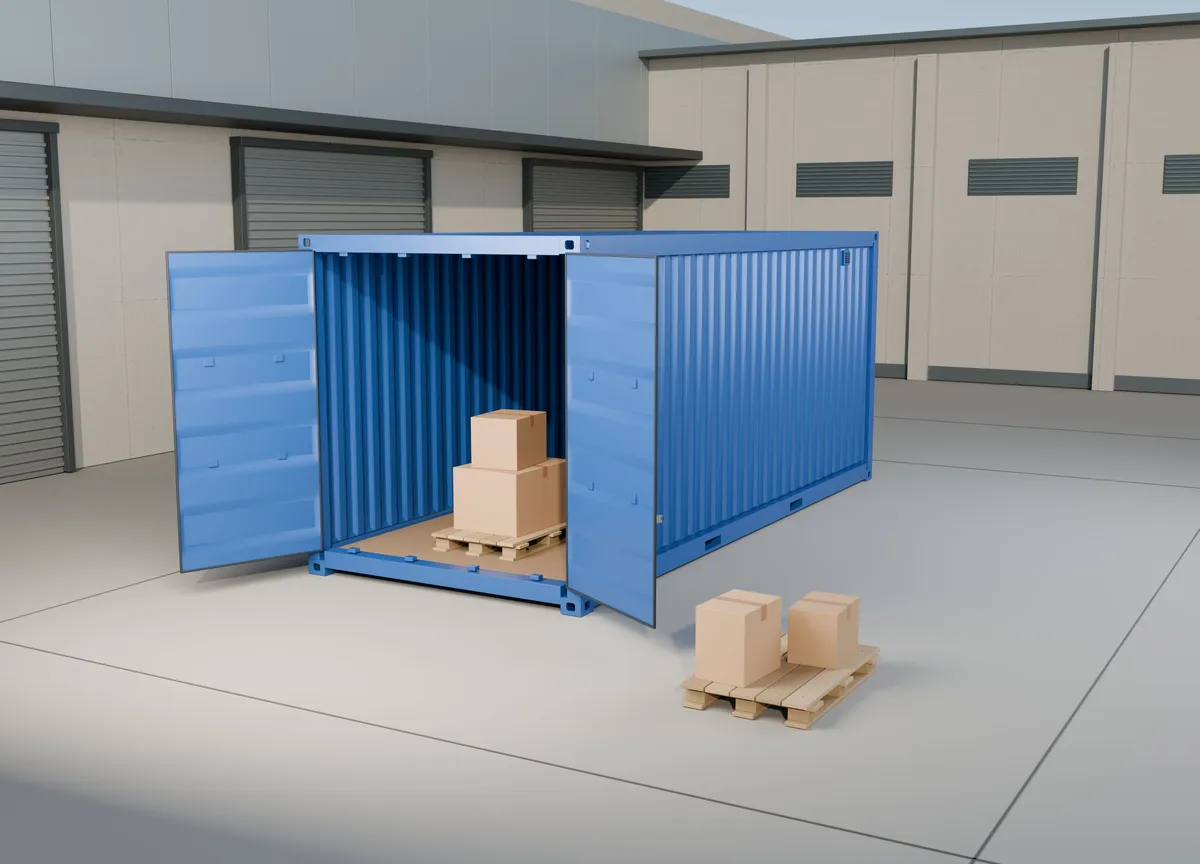
A cross-border sale can extend responsibility before the first shipment leaves and after the distributor has accepted it. Product may sit in temporary storage, pass through customs or move to a regional warehouse. Company employees may enter the destination for installation or training. A local partner may receive safety complaints and manage withdrawals. Distribution and global expansion insurance needs to follow the goods, the people and the commitments across each of those transitions. Start with one real trade lane and one real customer agreement. Expand the review as products, destinations and distributors change.
Follow a shipment across custody and responsibility
Draw the route from pickup to final delivery and include ordinary as well as exceptional layovers. Identify the carrier, freight forwarder, customs broker, warehouse, importer, distributor and any provider that manages records. Record who pays freight, who bears contractual risk of loss at each handoff, who has an interest in the goods and whose insurance is expected to respond. These responsibilities can transfer at different times. The sales contract, carrier documents and insurance can have different definitions of custody and delivery.
Where the parties incorporate Incoterms rules, identify the edition and named place. The International Chamber of Commerce describes the rules as allocating costs, risks and obligations between sellers and buyers. Certain rules specify insurance procurement obligations, with differences between CIP and CIF. Review the actual contract and policy, especially for temperature-controlled cargo, extended storage and specialized value. A shorthand sale term gives only part of the information needed to understand coverage and rights of recovery. Reviewed November 23, 2026. ICC Incoterms 2020
Compare transit, storage and the customer's own obligations
For each route, ask when cargo coverage attaches, how long it follows property at intermediate locations and what ends the transit. Compare a cargo form with a stock throughput approach if the same stock moves among manufacturing, storage and distribution. A combined placement may reduce gaps between some stages, but conditions, limits, covered stages and scheduled locations still matter. A customer or warehouse policy might address legal liability for others' goods rather than the full value of your stock. Review its role alongside your own insurance before relying on the contract to recover.
Look at the highest possible value on one conveyance and at each storage location. Expensive items may accumulate while waiting for release, onward transport or delivery confirmation. Confirm whether retail, invoice, replacement or another defined valuation applies. Include freight, duties and other costs only as allowed by the proposed terms. Mark special limits or conditions for unattended theft, peak inventory, delays, temperature change and stock held by a third party. Avoid using average shipment value to decide whether the program can withstand your single largest loss.
Verify trade and policy questions independently
Market access, export documentation and insurance territory are distinct. FDA's medical device export resource describes how U.S. device marketing status can affect requirements and which export documents FDA issues. Its human drug export resource separately identifies topics for commercial, unapproved and investigational human drugs. The importing jurisdiction may have its own authorities and requirements. Use qualified regulatory and customs advisers for product-specific determinations before committing to shipment. Reviewed November 23, 2026. FDA exporting medical devices · FDA export requirements for human drugs
Ask separately which countries and entities are insured, where a suit must be brought and how defense and payments would be handled. A policy's worldwide territory wording may coexist with a limitation tied to where a claim is filed. Ask about admitted local policies and coordination with a master policy where applicable. Qualified local advisers should evaluate compulsory coverage, payment restrictions and other jurisdiction-specific matters. For travel and installation work, record who employs the people, where they work and how often they go abroad so employment, liability and related terms can be reviewed on their own facts.
Test a temperature excursion and distributor response
Assume a shipment arrives at a destination warehouse after a customs delay. The receiving team finds a temperature record outside the expected band for part of the trip. The quality team places the goods on hold. The distributor wants immediate replacements and says customers may have already received part of an earlier shipment from the same production lot. Establish at which point an event could have occurred, who had custody and whether the affected lots are identifiable. Preserve transport and storage records and coordinate with the quality, claims and contractual contacts authorized to evaluate the event.
Ask the broker how relevant forms define temperature deviation, what condition or physical damage must be established, how exclusions for delay or inherent characteristics apply and which expenses may qualify. Determine what evidence the insurer needs and how disposal or additional testing authorization interacts with agency and quality duties. The stock loss, replacement costs, contractual credit, communication expense and any third-party injury allegation may sit under different terms. Reliable custody and time records make it easier to establish the relevant policy and understand recovery options. Follow the approved incident channels and applicable notice provisions.
Put post-sale work in the distribution agreement
Review who maintains local product information, records complaints, controls the return process and can initiate a withdrawal. Ask where service, training and installation occur and who controls any sales representation or local translation. Identify whether the distributor can appoint others and what insurance those parties actually carry. Counsel should examine defense obligations, product responsibilities, governing law and access to records if the relationship ends. A distributor's contract requirement for territory or insured status should be confirmed with the insurer before creating an obligation.
Compare a planned expansion with your current renewal description. Adding a foreign subsidiary, maintaining stock abroad, employing local personnel or beginning installation can each require a distinct insurance review. Revisit your assumptions if delivery dates, storage locations or duties change. Track who owns policy notices and evidence updates.
Prepare a trade-lane review
Bring a nonconfidential map of origin and destination, handoff and storage locations, peak values, terms of sale, product category, installation or service duties and any distributor insurance schedule. Identify the largest plausible retained loss and the contractual deadline driving the decision. See our cold chain guide for the storage and transport questions that deserve their own review. Request a distribution and expansion risk review with Montridge before shipping to a new market, changing warehouse providers or promising protection in a distributor agreement.